

Grand Prairie Botox & Fillers for Migraines, TMJ & Facial Aesthetics
When you hear "Botox" and "dermal fillers," maybe you picture someone stepping out of a glitzy salon with a super smooth forehead and plumped-up lips, right? But wait—there's a whole other chapter to this story. It's not just about chasing after those high-glam beauty looks. These treatments are total game changers for folks battling issues like TMJ disorders and unbalanced faces.
So today, we will dig deeper into how Grand Prairie Botox for migraines and TMJ is doing way more than just boosting looks. And here's the thing: it's not only about fixing what's already an issue; it's about preventing future problems. These treatments can help manage symptoms before they become severe, keeping you ahead of the game.
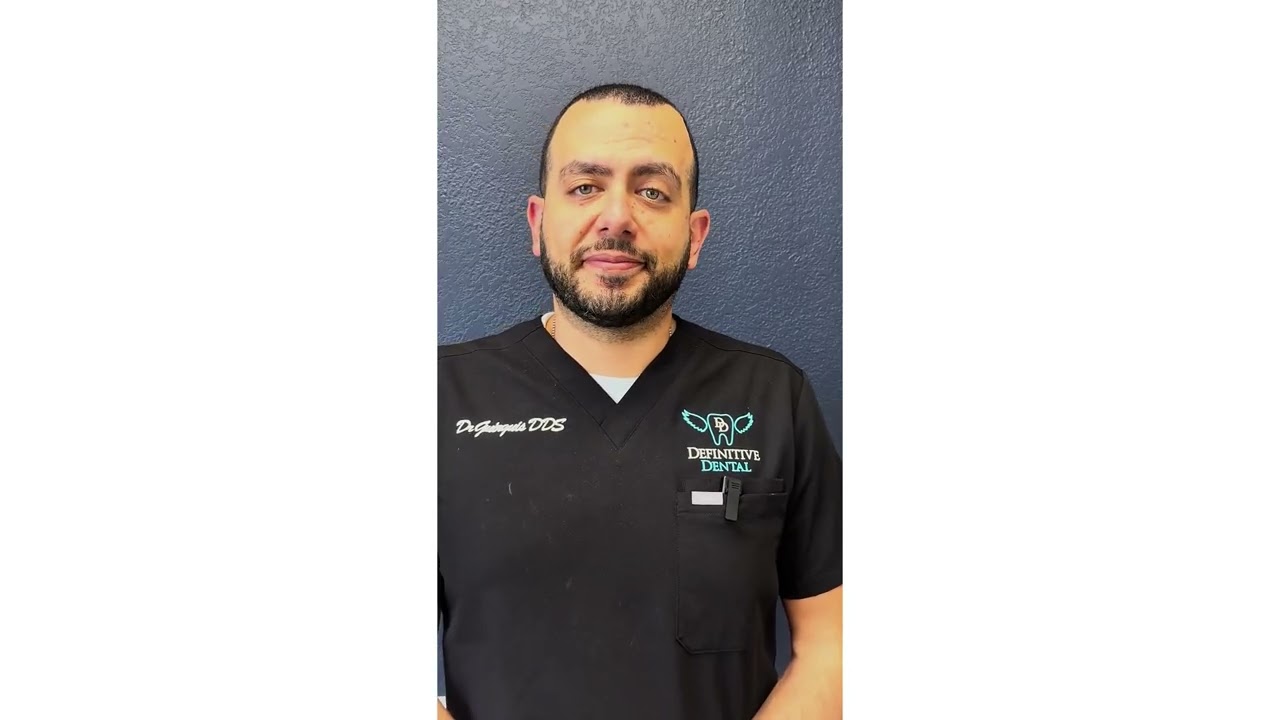
Can dentists administer Botox?
Yes, dentists may be able to administer Botox with the appropriate training and licensing, depending on their state's regulations. Dentists have extensive knowledge of facial anatomy, which can be valuable when providing certain facial aesthetic treatments.
Botox is generally considered safe when administered by a qualified healthcare professional, although there are potential risks and side effects that should be discussed before treatment.
What can Botox treat?
Botox is commonly used to temporarily reduce the appearance of certain facial lines and wrinkles, including forehead lines, frown lines, and crow's feet around the eyes. It may also be used for certain lines around the mouth.
In dentistry, Botox may be considered for patients experiencing excessive jaw muscle activity, clenching, grinding, or certain types of jaw discomfort. The appropriate use depends on the underlying condition and the patient's individual needs.
Decoding TMJ Disorders: Not Just Your Average Jaw Pain
Okay, let's unpack this. The temporomandibular joint, or TMJ for short, is that crucial link that keeps your jaw attached to your skull—essential for all the basics like chewing, chatting, and yawning. But when this joint goes rogue—due to stress, grinding your teeth, or an injury—it can really throw a spanner in the works. Picture this: non-stop jaw pain, headaches that won't quit, and even hassles with eating. And guess what? It can even skew how your face lines up, shaking up how you see yourself. Not to mention, it can make you feel way older than you are, dragging your whole vibe down.
Beyond Vanity: The Real Scoop on Botox & Fillers
Let's cut through the noise: Grand Prairie Botox for migraines and TMJ isn't just for snagging selfie-worthy looks. It's packed with serious benefits that go much deeper than the surface. But here's another layer—these treatments can be a big confidence booster. By tackling these physical issues, they can help you feel more like yourself, less distracted by discomfort, and more focused on living life.
Botox for TMJ: It's Not All About Wrinkles
- Muscle Relaxer: Botox does more than iron out lines; it's like a peacekeeper for your muscles. It chills out those overworked jaw muscles, easing the pain and stopping that endless teeth grinding. That's why therapeutic Botox for migraines is getting so much attention.
- Headache Helper: It's not just about the jaw. Jaw Botox for migraines can also reduce headaches, making them less frequent and less intense. So, it's like hitting two birds with one stone.
- Jawline Refiner: Bonus points—Botox can also sculpt a bulky, square jaw into something more sleek and balanced, perfect if you've been thinking about treating TMJ and migraines.
- Preventive Care: Regular shots of Botox for migraines and TMJ can keep your teeth and jaw from getting more banged up from all that grinding, saving you from extra trips to the dentist and more pain.
How does Botox help with teeth grinding?
Traditionally, one of the most common ways to manage teeth grinding, also known as bruxism, has been with a night guard. Night guards don't necessarily stop the grinding itself, but they help protect your teeth from the forces associated with grinding and clenching.
Botox works differently. When injected into certain jaw muscles, it temporarily reduces muscle activity and may decrease the force of clenching or grinding.
Fillers for Facing the World Boldly
And fillers? They're not just for filling in wrinkles. They're about making your face look balanced and making you feel more confident.
- Volume Fixer: If TMJ has made your face look slightly off, fillers can plump up those areas, bringing back a natural, even look. This can also complement Botox for migraines and TMJ treatments for a more harmonious appearance.
- Feature Shaper: If your face feels a bit saggy or undefined, fillers can lift and define features like your cheeks, jawline, and chin, giving you a sharper look.
- Balance Restorer: Do you have issues with your lips and chin because of TMJ? Fillers can help even things out, making your face look harmonious again, especially when paired with therapeutic Botox for migraines.
How These Treatments Roll Out
Before we dive into the nitty-gritty of how our Grand Prairie Botox for migraines and TMJ unfolds, let's take a moment to demystify what you can expect during a session. If you're considering Botox for TMJ relief or thinking about fillers to bring back some facial balance, getting familiar with the process can ease your mind and set the stage for your visit. These treatments are speedy and involve minimal invasion into your daily life, which is a huge plus if you're always on the go.
And here's the kicker: thanks to the leaps and bounds made in medical aesthetics, you won't have to worry much about discomfort. The precision with which these treatments are administered is designed to target exactly what needs fixing, ensuring relief and enhancement where you need it. Let's walk through how these transformative sessions typically play out in the sleek, professional environment of a clinic:
- Botox Steps: Think quickly and straightforwardly. Once you and your provider have ironed out your aims, they'll pinpoint the exact locations for Jaw Botox for migraine treatment, administer a few swift injections with a fine needle—it's just a tiny pinch!—and before you know it, you're ready to roll, all within about 15-30 minutes.
- Filler Details: After you and your provider map out your treatment goals, you might receive some numbing cream to keep things comfortable. Then, the fillers are carefully injected into the targeted areas. The entire session can vary, lasting anywhere from 20 to 45 minutes, depending on the complexity and extent of what you're getting done.
What happens during a Botox appointment?
During your Botox appointment, we'll begin by discussing your concerns, reviewing your medical history, and evaluating the areas you're interested in treating.
We'll explain the treatment, review the potential benefits and risks, and go over the consent process and any instructions you need to follow before your appointment.
Once we've identified the appropriate injection sites, we'll administer the Botox using a small needle. Afterward, we'll provide post-treatment instructions and explain what to expect as the effects gradually develop.
We may also schedule a follow-up appointment approximately 10 to 14 days later to evaluate your results and determine whether any additional treatment is appropriate.
Trying out any medical procedure is a significant undertaking, and at Definitive Dental, with Botox for migraines and TMJ, the perks go way deeper than just skin-deep coolness. Whether you're dealing with the nagging pain of TMJ or trying to sort out uneven facial balance, these treatments bring a powerhouse combo of health and beauty benefits. Getting the lowdown on everything they do can help you determine if they're the right fit for your unique situation. Each session is super tailored to deal with the specific issues you're facing and help you hit your personal goals, offering a break from symptoms and a mega boost to your self-esteem and overall happiness.
Here's why throwing therapeutic Botox for migraines and fillers into your game plan might be a clever move for your health and feels: These treatments are like a double agent—working undercover to fight off discomfort and revamp your look. They're about way more than just making you look good; they're here to make you feel fabulous, too. By tackling the inside and the outside, our Grand Prairie Botox for migraines and TMJ and fillers help you step up your game big time, ensuring you're looking fresh and feeling top-notch. Contact us to learn more!
How does Botox fit into cosmetic dentistry?
Botox can complement cosmetic dental treatments by addressing certain facial lines and wrinkles around the smile.
For example, you may be happy with the appearance of your teeth after whitening, veneers, or another cosmetic procedure but still have concerns about smile lines, frown lines, or other facial features.
In those situations, Botox may be an additional option for patients who want to address those concerns as part of their overall aesthetic goals.
What training is needed to administer Botox?
Healthcare professionals who administer Botox need appropriate training in facial anatomy, injection techniques, dosing, patient evaluation, and managing potential complications. Dentists must also follow the regulations governing Botox administration in their state.
I completed my Botox training through the American Academy of Facial Esthetics, which offers education focused on facial aesthetic procedures.
What are the benefits of getting Botox at a dental office?
One benefit of receiving Botox at a dental office is the convenience of discussing facial aesthetic treatments with a provider who already understands your dental health and facial anatomy.
For patients who are already visiting for cleanings, whitening, or other dental procedures, Botox consultations may be incorporated into their overall care when appropriate.
Dentists also have experience administering local anesthesia, which may be useful for certain facial aesthetic procedures, particularly treatments involving dermal fillers. However, Botox injections typically require little or no anesthesia.
How long do Botox treatments last?
Botox results typically last around three to four months, although the duration varies from person to person.
Some patients notice that the effects wear off sooner, while others may maintain their results for longer. The treatment area, dosage, and individual response can all affect how long the results last.
Because Botox is temporary, maintenance treatments may be needed to maintain the desired results.
What should you ask before getting Botox?
Before getting Botox, it's important to ask about your provider's training and experience, the treatment being recommended, and what results you can reasonably expect.
You may also want to ask to see before-and-after photographs of previous patients. These can help you understand the types of results that may be possible, although individual outcomes vary.
It's also important to discuss potential side effects, how long the treatment may last, and whether any follow-up appointments will be needed.
If you’re ready to schedule an exam or would like to learn more about our services, we’d love to hear from you. Call us at (972) 833-0151 or email [email protected]. We look forward to caring for your smile.